Small bathroom storage cabinets offer practical solutions for maximizing limited space while maintaining organization. Consider wall-mounted designs to save floor area, mirrored cabinets that enhance light and depth, or freestanding units with adjustable shelving for flexibility. Look for moisture-resistant materials and soft-close hinges to ensure durability in high-humidity environments. Assess your bathroom’s layout, measuring available height and width to match cabinet dimensions. Prioritize features that align with your storage needs, such as built-in shelves or compartments for toiletries. Evaluate how each option integrates with your existing setup before making a choice.
Understanding Storage Needs in Small Bathrooms
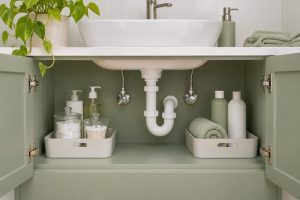
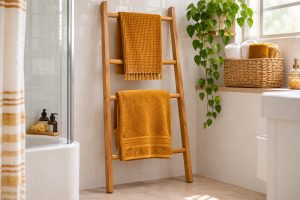
Begin by categorizing items into daily essentials, occasional use, and seasonal storage. Daily essentials, such as toothbrushes, skincare products, and shampoo, require immediate access, often near the sink or mirror. Occasional items like extra towels, cleaning supplies, and guest toiletries can be stored in drawers or cabinets with less frequent access. Seasonal items, such as holiday decorations or unused bath mats, should be placed in areas that minimize visual clutter, like under the sink or in a freestanding cabinet.
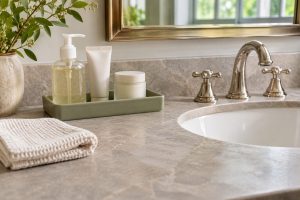
- Frequency of use dictates storage type: high-use items need open shelves or countertop organizers, while less-used items benefit from enclosed cabinets or drawers to protect against moisture.
- Space constraints demand vertical solutions. Wall-mounted cabinets or tall freestanding units maximize height, as noted by B&Q, which highlights the value of adjustable shelving and moisture-resistant finishes in small bathrooms.
- Layout considerations include measuring depth to ensure drawers and doors open fully, as advised by Dunelm’s guidance on planning bathroom furniture. This prevents overcrowding and ensures usability in compact areas.
- Lighting and visibility matter for items like skincare products. Good Housekeeping recommends avoiding direct sunlight for sensitive products, suggesting window shelves be used with caution for such items.
By prioritizing access, durability, and space efficiency, you can tailor storage solutions to match both the physical layout and daily routines of the bathroom.
Choosing the Right Cabinet Style and Features
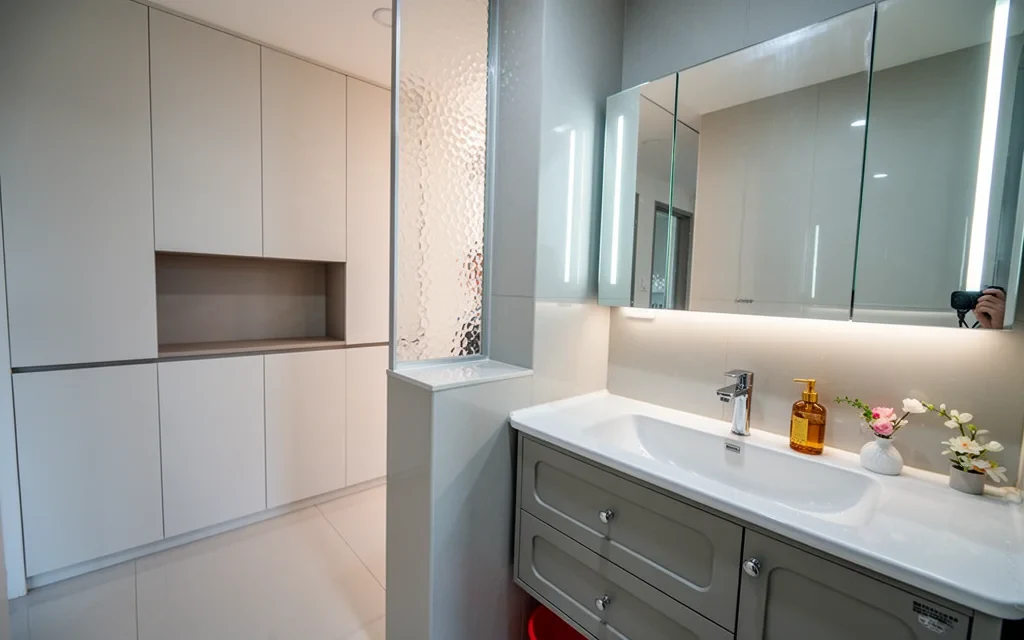
When selecting a cabinet for a small bathroom, consider how design choices impact both functionality and visual space. Mirrored cabinets, for example, can reflect light and create the illusion of a larger room, as noted by sources discussing options like the EMKE Bathroom Vanity Mirror Cabinet with Storage. These units often integrate storage compartments, balancing utility with aesthetics. Wall-mounted cabinets are another space-saving solution, freeing floor area while offering accessible shelving. Some models, such as the Yaheetech White Bathroom 2-Tier Wall-Mounted Cabinet, include adjustable shelves to accommodate varying storage needs. For high-humidity environments, moisture-resistant finishes are critical. Bathroom furniture, as highlighted by Dunelm, is designed to withstand humidity, often using materials that resist warping or deterioration over time. Look for features like soft-close hinges, which prevent slamming and reduce noise, and consider whether adjustable shelving or built-in organizers align with your daily routines. Always verify that the chosen style complements the room’s layout and existing fixtures before purchasing.
- Explore options at B&Q, which offers wall-mounted, mirrored, and freestanding styles with moisture-resistant finishes tailored for bathroom use.
- Wall-mounted cabinets, like those from B&Q, are ideal for small spaces but require secure mounting to support weight and prevent instability.
- Mirrored cabinets can enhance lighting but may not suit all decor; ensure the mirror’s frame and storage compartments align with your bathroom’s color scheme and hardware.
- Moisture-resistant finishes, often specified in product descriptions, are essential for longevity but may vary in quality between brands – check reviews for durability claims.
Maximizing Vertical Space
Tall, narrow cabinets and overhead storage are critical for small bathrooms where floor space is limited. Freestanding units with slim profiles, such as those described by Dunelm, can occupy minimal footprint while extending upward to hold towels, toiletries, or cleaning supplies. These cabinets often feature adjustable shelving, allowing customization to fit items of varying heights. For even greater reach, consider overhead storage solutions like shelves mounted above the toilet or behind the mirror. The Good Housekeeping article highlights repurposing narrow alcoves into open shelving, which keeps countertops clear while adding functional storage for daily essentials like toothbrushes or skincare products.
When selecting tall cabinets, prioritize models with moisture-resistant finishes and soft-close hinges, as noted by B&Q, to ensure durability in humid environments. Overhead storage should be installed with care – measure ceiling heights and ensure supports can bear the weight of stored items.
Small Bathroom Storage Solutions offers additional strategies for integrating vertical storage with other organizational techniques. Always verify that chosen units align with your bathroom’s dimensions and usage patterns, as these factors determine long-term usability.
Installation Considerations for Small Bathrooms
When installing a storage cabinet in a small bathroom, the focus should be on balancing accessibility, durability, and visual harmony with the room’s layout. The type of cabinet, whether wall-mounted, freestanding, or mirrored, will influence the available space and the overall functionality of the bathroom. Wall-mounted cabinets are particularly effective in compact spaces, as they free up floor area and can be designed with integrated mirrors to enhance the sense of depth. However, proper wall preparation is essential, as these cabinets require secure mounting to support their weight and withstand the humidity typical in bathrooms.
- Consider the material and finish of the cabinet, as moisture-resistant options are crucial for long-term use. Look for finishes that are specifically designed for bathroom environments, such as those with sealed surfaces or water-resistant coatings.
- Measure the available space carefully before purchasing. As noted by Dunelm, ensuring that the cabinet’s depth allows for full door and drawer movement is essential, especially in smaller bathrooms where space is limited.
- Freestanding cabinets offer flexibility but require sufficient floor space. These units should be positioned in areas where they will not obstruct movement or access to fixtures like sinks, toilets, or showers.
- For wall-mounted cabinets, ensure that the wall is structurally sound and capable of supporting the weight of the cabinet and its contents. If necessary, consult a professional to reinforce the wall or install appropriate mounting hardware.
- Consider the placement of electrical outlets and lighting. If the cabinet includes features such as LED lighting or outlets for shavers, ensure that the installation aligns with the room’s electrical layout and that all wiring is safely concealed.
Organizing Inside the Cabinet for Efficiency
Once a small bathroom storage cabinet is installed, the next step is arranging its contents to maximize accessibility and minimize clutter. Begin by sorting items into three categories: daily essentials (toiletries, soap, shampoo), weekly use (cleaning products, extra towels), and occasional items (guest supplies, seasonal decorations). This separation ensures frequently used items are within easy reach, while less-used items are stored deeper or in less visible areas.
- Utilize vertical space with adjustable shelving or hanging organizers. Many cabinets, such as those available at B&Q, include adjustable shelves to accommodate varying item sizes. Stackable containers or drawer dividers can also help compartmentalize smaller items like cotton swabs or hair ties.
- Group similar items together using bins or baskets. For example, store all haircare products in one bin and skincare items in another. Wicker baskets, as noted in Good Housekeeping’s guide, can add texture while keeping clutter contained.
- Incorporate hidden storage by using cabinets with secret compartments or mirrored doors. These features, highlighted in some product listings, allow you to store items like medications or extra toiletries out of sight but within reach.
- Label containers for quick identification, especially in shared bathrooms. Clear bins with printed labels or color-coded tags can reduce the time spent searching for items.
- Rotate stock regularly to prevent expired products from accumulating. Set a reminder to check expiration dates on items like skincare or medications every few months.
By tailoring these strategies to the specific dimensions and features of your cabinet, you can create a system that feels personalized and functional. Adjustments may be needed as your storage needs evolve, so treat the setup as a flexible framework rather than a fixed solution.
Disclosure: As an Amazon Associate I earn from qualifying purchases. Links in the related-products section are paid links.
Related reading
- Small Bathroom Storage Solutions