DIY Creation
Featured articles

1 / 5
Latest articles
Home Decor
Read more →
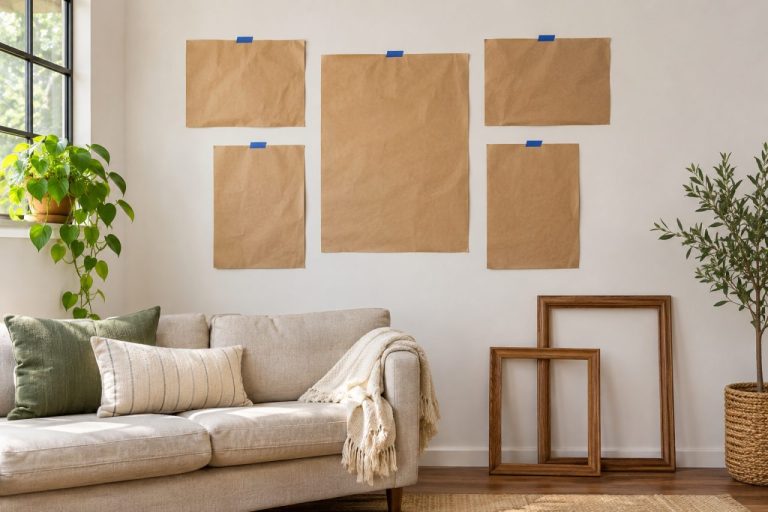
Plan a Gallery Wall With Paper Templates Before Hanging Frames
A gallery wall is easier to plan when the shapes are full size. Paper templates let you judge spacing and balance without repeatedly moving real frames.
Kids Crafts
Read more →
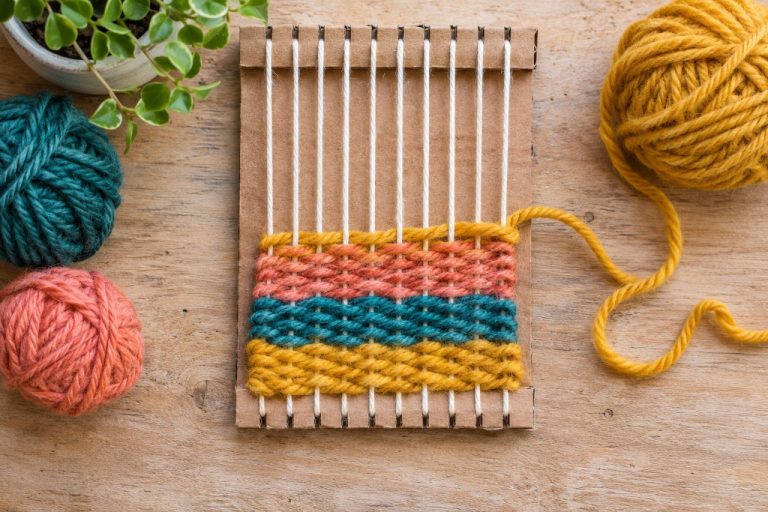
Try a Small Cardboard Loom With Chunky Yarn
A cardboard loom holds threads in place while a child practises weaving over and under them. Start with a small piece and contrasting colours so the pattern stays visible.
Kids Crafts
Read more →
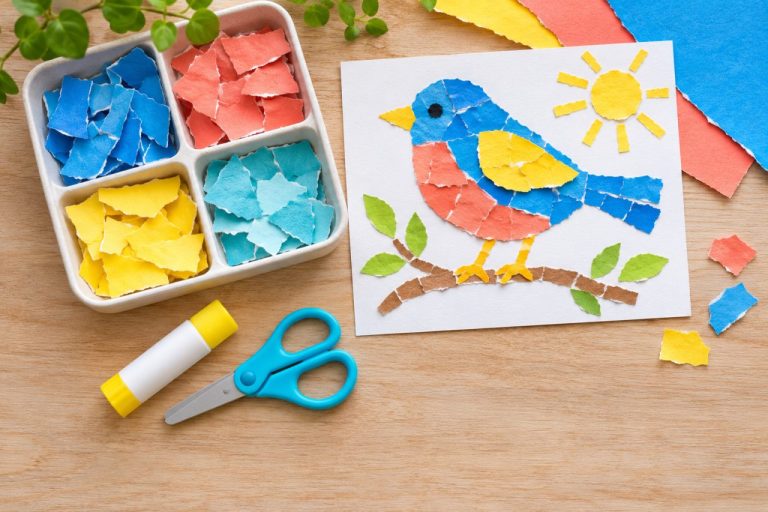
Set Up a Paper Collage Session With a Small Materials Tray
Collage works well when the materials invite choices without overwhelming the table. A small tray of paper, a base sheet and a glue stick can be enough for an absorbing session.
Kids Crafts
Read more →
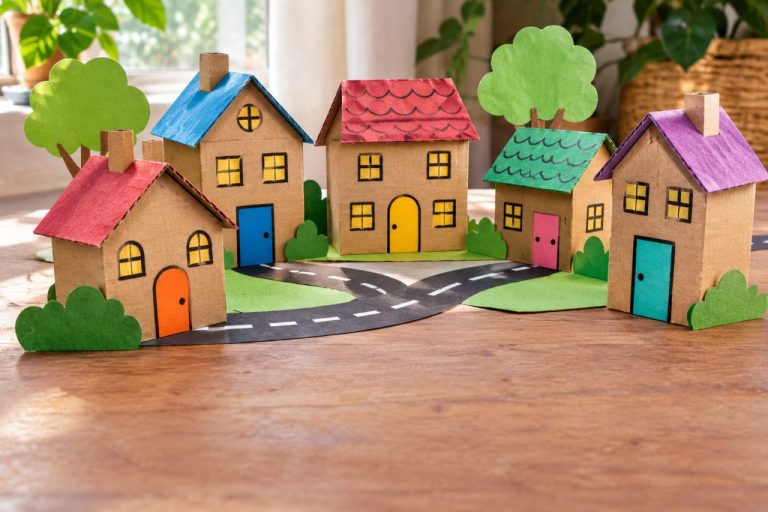
Build a Cardboard Mini Town With Folded Buildings
A miniature town turns clean packaging into a setting for stories. Keep the structures small enough to work on a table; this is a model, not something children climb into or stand on.
Kids Crafts
Read more →
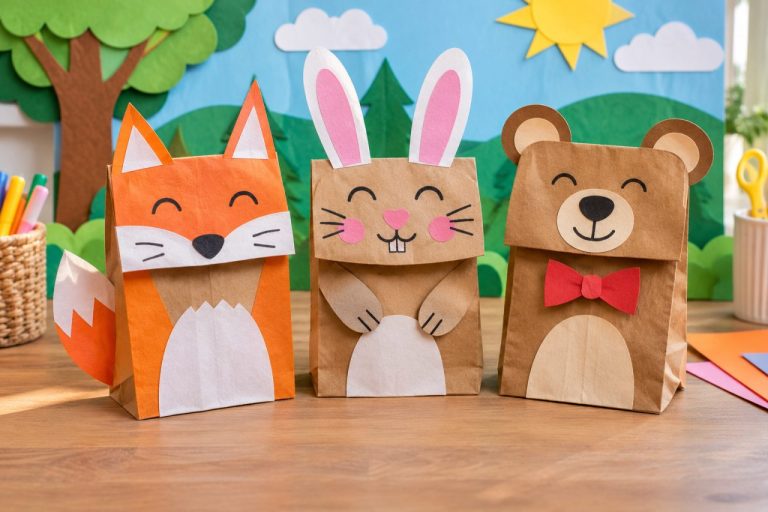
Make Paper-Bag Puppets and a Three-Scene Story
A paper-bag puppet gives a craft session a second activity: telling a story with the finished characters. Use clean paper bags, large paper features and age-appropriate drawing materials.
Kids Crafts
Read more →
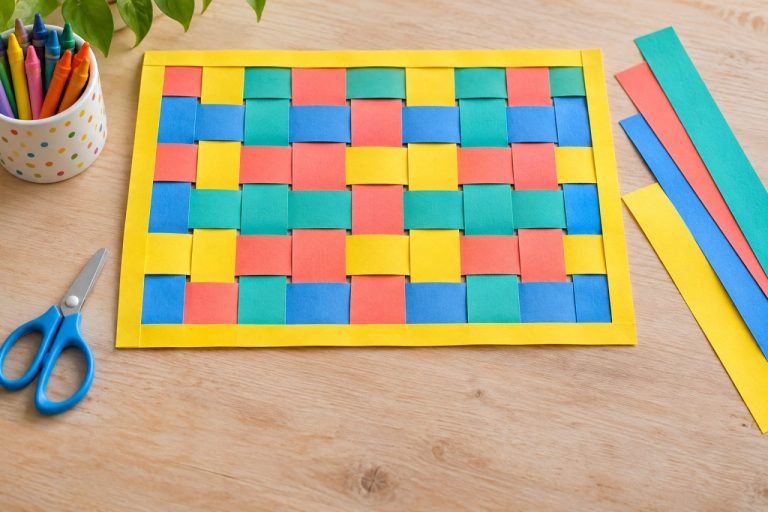
Paper Weaving for Children Using Wide Strips and a Simple Frame
Paper weaving introduces an over-and-under pattern without needing a loom or yarn. Wide strips make the movement easier to see and give a child room to correct a mistake.
Kitchen
Read more →
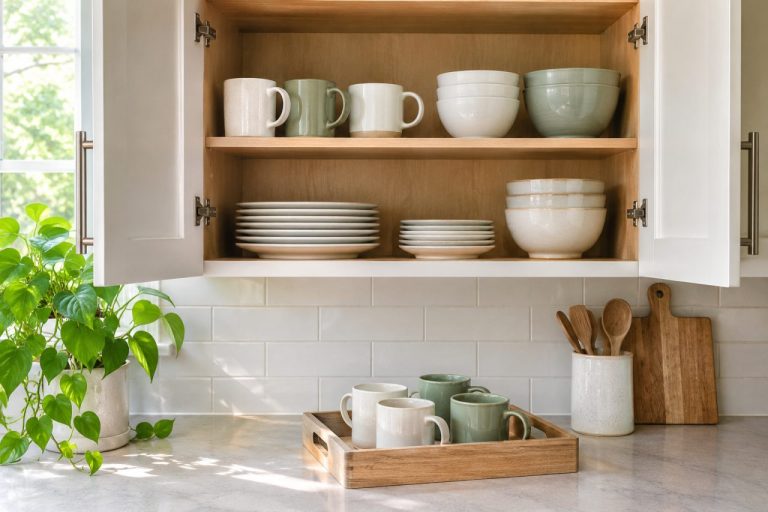
Declutter One Kitchen Cupboard With a Keep-and-Return Test
A kitchen cupboard can hold plenty and still be difficult to use. The problem is often the sequence of taking things out and returning them.
Kitchen
Read more →
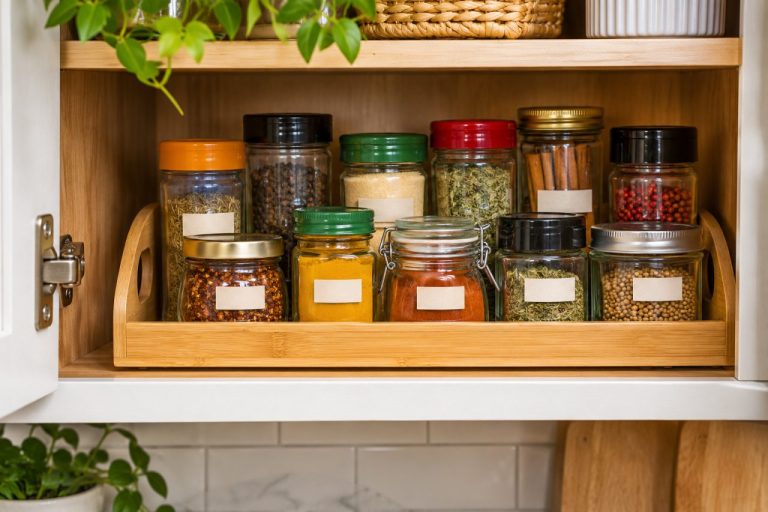
Organise a Spice Cupboard Without Decanting Everything
Matching spice jars can look attractive, but decanting creates extra work and can separate food from useful label information. You can improve a spice cupboard using the containers you already have.