The most useful DIY home improvement hacks are not promises to transform a house in an afternoon. They are ways to make a small decorating job easier to understand before you begin. Start with one change you actually want, then work out which instructions, materials and preparation it needs.
This guide concentrates on decorative projects and the decisions around them. The painting advice comes from fetched Dulux and Wickes guides. The worksheets and comparison questions are optional planning exercises, rather than evidence that a particular job will take a fixed time, cost a certain amount or increase your home’s sale price.
Choose a Small, Clearly Defined Change
Write down the part of the room you would like to change. Is it the colour of a wall, the appearance of a cupboard, or the way a group of objects is arranged? Choose one of those aims for your first plan. “Make this corner feel more like mine” is a reasonable personal goal; it does not need to become a complete renovation.
Next, write what you intend to leave alone. For a decorative wall project, that might include the ceiling, woodwork, lighting and furniture. Treat this as a proposed scope, not a rule that suits every room. If the work turns out to involve something outside it, pause and decide whether you still want to proceed.
You could compare three options on paper: rearranging existing accessories, testing a new wall colour, or repainting a selected surface. For each option, ask what you would need to buy, move or investigate. There is no requirement to choose the option with the most visible work. Choose the one whose result matters to you and whose process you understand.
Try the Colour Before Planning the Whole Room
Wickes’ painting and decorating guidance recommends considering a colour alongside the room’s light and surrounding colours. Its advice also distinguishes the ceiling, walls and fittings when planning the order of painting. These are useful starting points for a colour decision, not a promise that a particular shade produces the same effect in every home.
For an optional comparison exercise, make a short list of colours you would like to see beside your existing floor, curtains and furniture. Look at the sample instructions before using them. Write down your own response to each candidate rather than trying to give it a universal label such as “the colour that makes everyone relaxed”.
If you share the room, compare preferences before ordering the full quantity. You might agree on a wall colour but disagree about the finish, or like a colour only with different curtains. Record those decisions separately. A sample exercise is a chance to decide whether you still want the proposed change, including the option of keeping the current colour.
Make Preparation Part of the Project
Dulux’s preparation guide covers surface preparation and choosing painting tools. It distinguishes brush types and their suitability for different paints, rather than treating every brush and coating as interchangeable. Read the guidance for the actual surface and product you intend to use.
Before making a shopping list, ask: what is the surface, what is already on it, and what condition is it in? Which preparation steps does the product manufacturer specify? Do you understand those steps, including any restrictions or protective measures? If you cannot answer, make that the next question to resolve instead of assuming a fresh coat will deal with the problem.
Keep this article separate from a product’s application instructions. A small decorative project can remain on the ideas list while you investigate it.
Match Tools to the Instructions You Will Follow
Dulux’s decorating checklist includes coverings for furniture and fixtures, cloths, and preparation materials alongside the painting equipment. It also describes testing colour and working out paint quantity. Use that as a reminder to plan the complete task rather than buying only the visible finish.
For your own checklist, divide the page into equipment you already have, items you need to obtain, and questions to answer first. Compare the list with the selected product’s instructions. Check whether a tool you own is appropriate for this job before deciding that it saves you a purchase.
Leave prices blank until you have actual prices or quotations. Likewise, make a schedule from the instructions you will use, including the preparation and any stated drying or recoating intervals.
Keep Other Upgrade Ideas as Separate Decisions
Perhaps a wall-colour project has prompted ideas about cabinet handles, shelves or a splashback. Put each idea on its own line instead of quietly adding it to the painting job. For a possible handle change, your questions might concern the existing fixing, the replacement’s dimensions and the manufacturer’s fitting instructions. For a shelf, they might concern the wall, fixings, intended load and the help required.
Those are questions to research, not generic installation directions. This guide does not describe plumbing repairs, load-bearing fixings or electrical alterations. If one of those is part of the change you want, get instructions and advice specific to that work before deciding how it will be carried out.
As a planning example, imagine that you like both a different wall colour and new cupboard handles. You could assess the colour first, keep the handle idea for a later decision, and avoid buying replacements until you know what would fit. That is an optional way to keep the choices manageable, not a claim that the two jobs must happen in that order.
Review the Finished Change Against Your Own Aim
When the work is complete according to the instructions you followed, return to the original aim. Does the colour or finish look how you wanted? Is anything still unfinished? Have you kept the relevant product details so you know what was used? Record anything you would change next time without turning a personal preference into a rule for everyone.
You may decide the small change is enough. You may also decide to plan a second project using the same questions about scope, evidence, materials and time. The useful habit is to make that a fresh decision. A successful decorative update does not establish that every more complicated job is suitable to attempt yourself.
Disclosure: As an Amazon Associate I earn from qualifying purchases. Links in the related-products section are paid links.
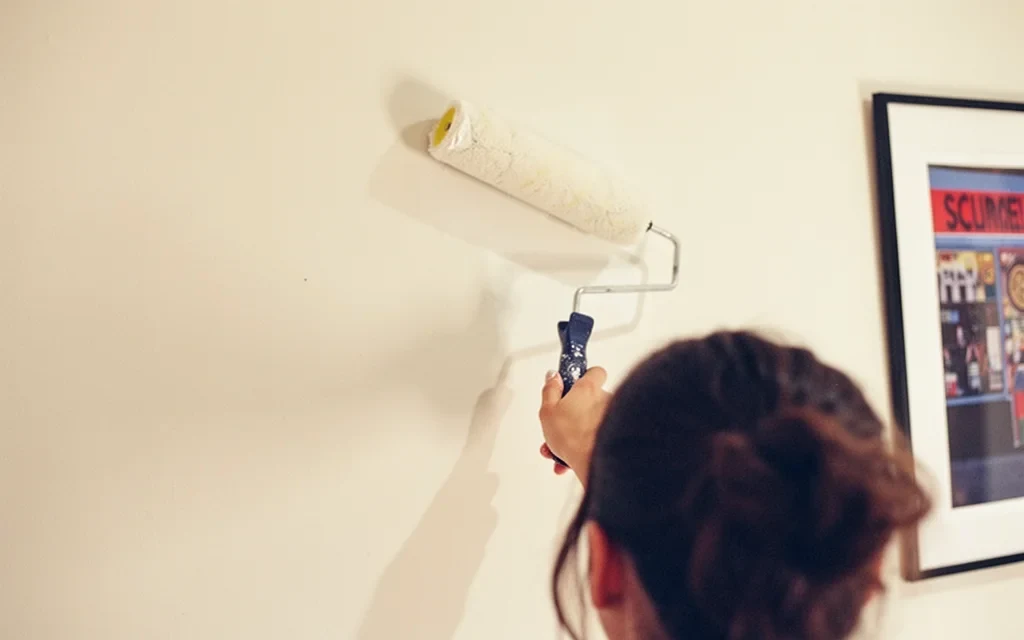
Featured image: AI-generated variation of a photograph credited to Barney Goodman · Unsplash. Image modified using AI.