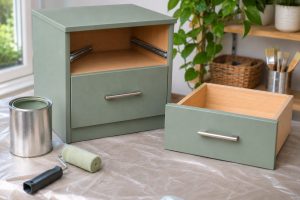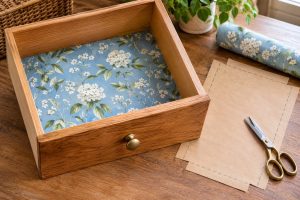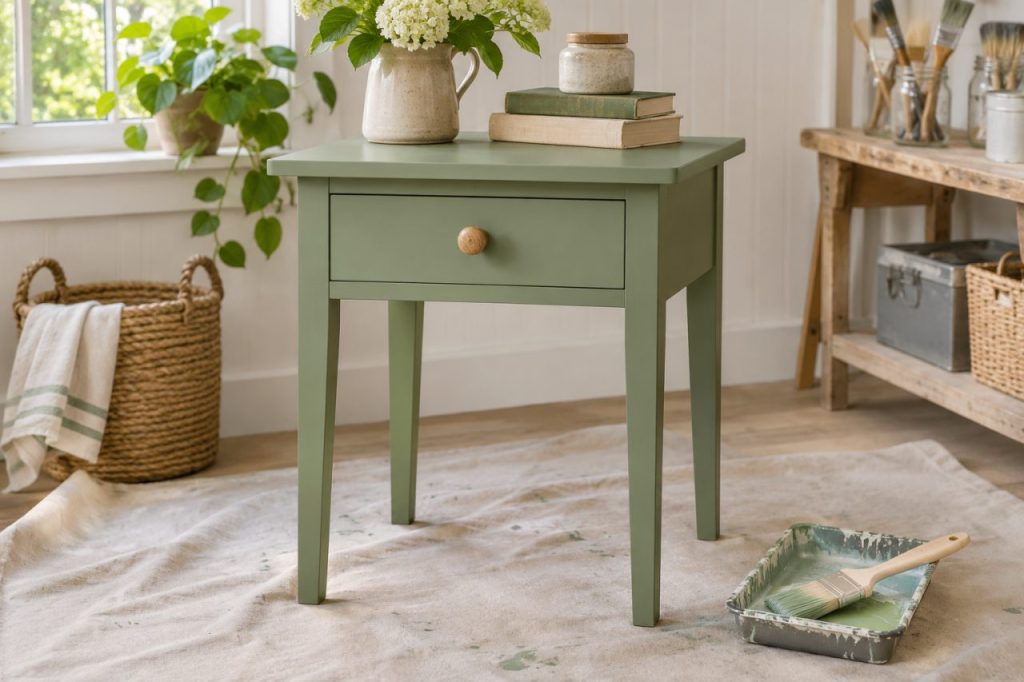
The easiest furniture project is not always the cheapest piece at a sale. A small, sound item with a clear improvement in mind is usually a better learning project than a large damaged cabinet. Before bringing anything home, decide where you will work, where the piece will live and what you can realistically complete. This checklist helps you keep the first project manageable.
Start with a specific use
Choose an item you already need, such as a small side table or a simple drawer unit. Measure its intended location and the route through doors and stairs. An attractive bargain is not useful if it does not fit. Avoid making a first experiment out of a child’s safety-critical furniture, a valuable antique or an item with unknown structural problems.
Inspect before committing
Check stability, joints, drawers, hinges and the condition of the surfaces. Look for swelling, loose layers, pest damage and persistent odours. Do not disturb suspect coatings or contaminated material to investigate them. If the piece needs specialist treatment or structural repair, price that work and decide whether it belongs outside this beginner project.
Define one main change
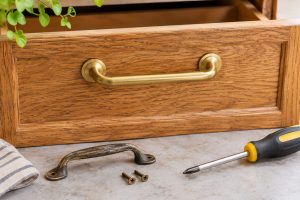
Write a one-sentence goal: replace the handles, clean and refresh a known finish, or apply a compatible coating after a successful test. Avoid combining upholstery, joinery, electrical fittings and painting in the same first attempt. A clear scope makes it easier to choose supplies and recognise completion. Keep decorative changes separate from repairs that affect safe use.
Budget for the whole process
List preparation products, appropriate protective equipment, hardware, finishing materials and cleanup needs. Check the exact product instructions before buying. Include the space and time required for drying or curing, not just the application session. Borrow ordinary tools when suitable, but do not substitute an unsuitable tool because it is already in the house.
Set an inspection point
Before doing the visible work, complete a small test or trial fitting. If that reveals a problem, pause while the project is still easy to reverse. Keep a simple record of products, dimensions and steps. When the item is finished, check stability and function again and follow any anchoring instructions. A modest project that works well teaches more than a complicated half-finished one that occupies the hallway for months.
Further reading
Katie Scott: assessing whether laminate furniture is worth refinishing (video listing)
For furniture that requires anchoring, follow its instructions and the manufacturer’s wall-restraint guidance.